

Thyroid Nodule FNA Referral & Coordination
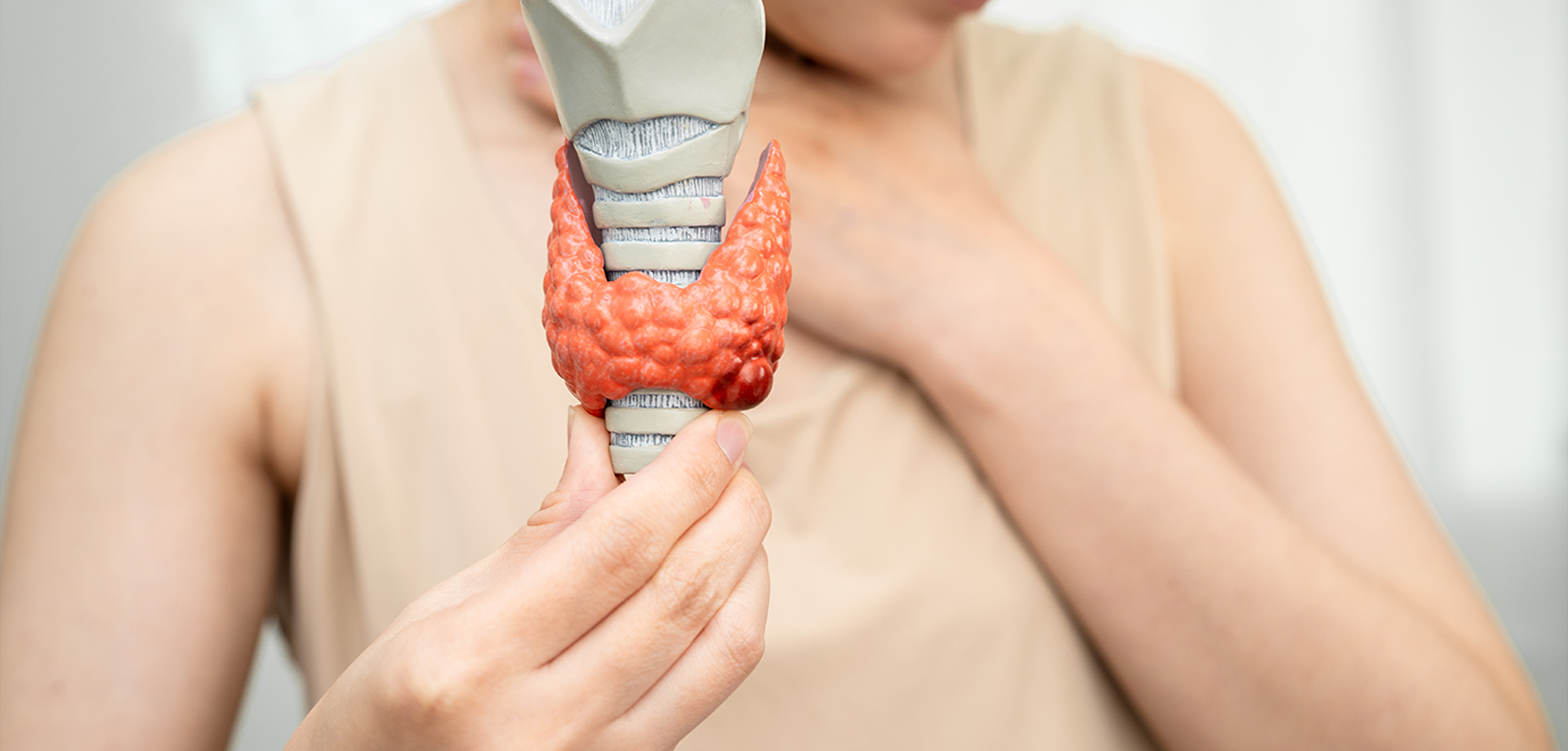
Thyroid nodule fine-needle aspiration (FNA) referral and coordination is a critical component of comprehensive thyroid care, enabling accurate evaluation of thyroid nodules and timely identification of malignancy while avoiding unnecessary surgery. Thyroid nodules are common in the general population and are frequently detected incidentally through physical examination or imaging studies performed for unrelated reasons. While the majority of nodules are benign, a small but clinically significant proportion may represent thyroid cancer, making structured evaluation essential.
FNA is the most reliable, minimally invasive diagnostic procedure for assessing thyroid nodules. It involves sampling cells from the thyroid nodule using a fine needle under ultrasound guidance, allowing cytological examination. Appropriate referral and coordination ensure that FNA is performed only when clinically indicated, based on nodule size, ultrasound characteristics, patient risk factors, and thyroid function status. This targeted approach improves diagnostic yield and reduces patient anxiety and unnecessary interventions.
The evaluation process begins with a detailed clinical and ultrasound assessment. High-risk features such as rapid growth, suspicious ultrasound patterns, compressive symptoms, family history of thyroid cancer, or prior radiation exposure guide decision-making. Coordination between endocrinologists, radiologists, and pathology teams ensures that nodules meeting established criteria undergo timely FNA with optimal technique and specimen handling.
Effective coordination also includes patient counseling before the procedure. Patients are informed about the purpose of FNA, the procedural steps, expected discomfort, and post-procedure care. Addressing concerns and setting realistic expectations improves patient comfort and compliance. The procedure itself is typically performed on an outpatient basis and is well tolerated, with minimal complications.
Post-procedure coordination is equally important. Cytology results are classified using standardized reporting systems, which guide further management. Benign results often lead to periodic surveillance, while indeterminate findings may require repeat biopsy or molecular testing. Malignant or suspicious results prompt referral for surgical evaluation and multidisciplinary care planning.
A structured thyroid nodule FNA pathway ensures timely diagnosis, reduces delays in care, and prevents unnecessary surgeries for benign disease. By integrating clinical assessment, imaging, pathology, and patient education, coordinated FNA services support accurate diagnosis and optimal outcomes. This approach reflects best practices in endocrine care and plays a vital role in safe, evidence-based thyroid nodule management.
FNA is the most reliable, minimally invasive diagnostic procedure for assessing thyroid nodules. It involves sampling cells from the thyroid nodule using a fine needle under ultrasound guidance, allowing cytological examination. Appropriate referral and coordination ensure that FNA is performed only when clinically indicated, based on nodule size, ultrasound characteristics, patient risk factors, and thyroid function status. This targeted approach improves diagnostic yield and reduces patient anxiety and unnecessary interventions.
The evaluation process begins with a detailed clinical and ultrasound assessment. High-risk features such as rapid growth, suspicious ultrasound patterns, compressive symptoms, family history of thyroid cancer, or prior radiation exposure guide decision-making. Coordination between endocrinologists, radiologists, and pathology teams ensures that nodules meeting established criteria undergo timely FNA with optimal technique and specimen handling.
Effective coordination also includes patient counseling before the procedure. Patients are informed about the purpose of FNA, the procedural steps, expected discomfort, and post-procedure care. Addressing concerns and setting realistic expectations improves patient comfort and compliance. The procedure itself is typically performed on an outpatient basis and is well tolerated, with minimal complications.
Post-procedure coordination is equally important. Cytology results are classified using standardized reporting systems, which guide further management. Benign results often lead to periodic surveillance, while indeterminate findings may require repeat biopsy or molecular testing. Malignant or suspicious results prompt referral for surgical evaluation and multidisciplinary care planning.
A structured thyroid nodule FNA pathway ensures timely diagnosis, reduces delays in care, and prevents unnecessary surgeries for benign disease. By integrating clinical assessment, imaging, pathology, and patient education, coordinated FNA services support accurate diagnosis and optimal outcomes. This approach reflects best practices in endocrine care and plays a vital role in safe, evidence-based thyroid nodule management.
Quick Contact
If you have any questions simply use the following contact details.

Working Hours
-
Out-patient Department
Monday to Saturday 08:00 AM - 09:00 PM
Sunday 10:00 AM - 06:00 PM
-
Emergency Department & Pharmacy
Sunday to Saturday 24x7


Book Appointments, Inquire, or Manage Your Care Easily – Get in Touch via
 04 406 3000
  04 406 3000
Quick Links
Legal
Working Hours
-
Out-patient Department
Monday to Saturday | 8 AM to 9 PM
Sunday | 10 AM to 6 PM
Emergency Department & Pharmacy | 24x7
Connect with us!




©2026 IMH. All Rights Reserved. Ministry of Health License No : YP7TYZVC-090326