

Thrombolysis Activation Pathways
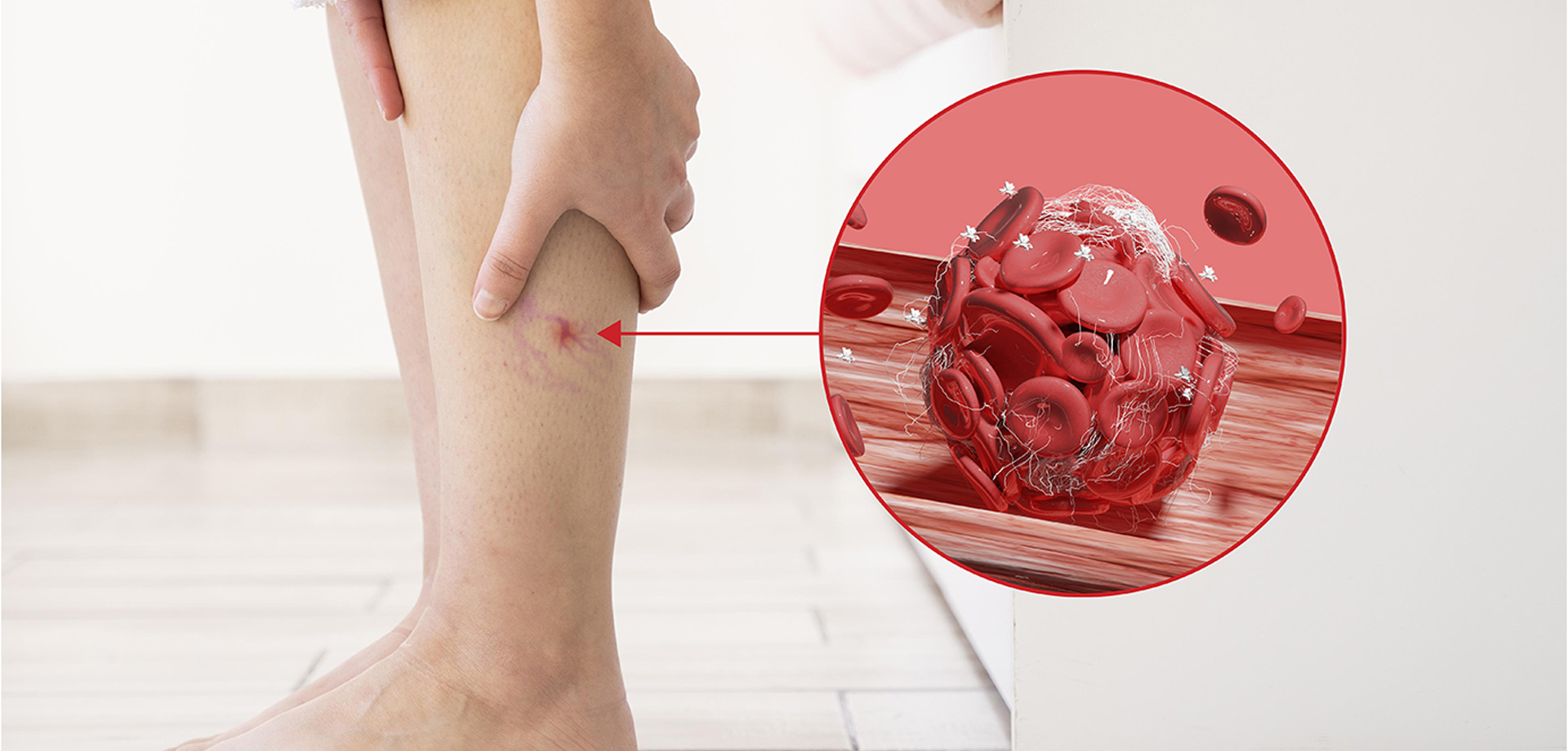
Thrombolysis activation pathways are structured emergency protocols designed to rapidly deliver clot-dissolving therapy in life-threatening conditions such as acute myocardial infarction (heart attack), ischemic stroke, and massive pulmonary embolism. In modern emergency departments across the UAE, timely thrombolytic therapy plays a critical role in restoring blood flow, preventing permanent organ damage, and reducing mortality.
When a patient presents with symptoms of a heart attack — such as severe chest pain, sweating, nausea, or shortness of breath — an immediate ECG is performed. If ST-segment elevation myocardial infarction (STEMI) is confirmed and immediate angioplasty is not available within recommended timelines, thrombolytic medications may be administered. These medications work by dissolving blood clots obstructing coronary arteries, restoring blood flow to heart muscle tissue.
Similarly, in acute ischemic stroke cases, rapid neurological assessment and emergency CT imaging are conducted to rule out hemorrhage. If a clot is identified and the patient presents within the therapeutic window (typically within 4.5 hours from symptom onset), intravenous thrombolytic therapy can significantly improve neurological recovery. “Time is brain” is a guiding principle — every minute of delay results in irreversible brain cell loss.
Thrombolysis pathways involve rapid triage, immediate diagnostic confirmation, laboratory testing, and multidisciplinary coordination between emergency physicians, cardiologists, neurologists, and radiologists. Strict inclusion and exclusion criteria are followed to minimize bleeding risks.
In pulmonary embolism cases causing hemodynamic instability or shock, thrombolysis may be life-saving by rapidly dissolving clots in the pulmonary arteries and restoring oxygenation. Continuous cardiac and respiratory monitoring is essential during administration.
Hospitals in Dubai implement “Code STEMI” and “Code Stroke” systems to streamline care. These activation pathways reduce door-to-needle times and ensure standardized, evidence-based management. Early notification of catheterization labs or stroke teams allows seamless escalation to advanced interventions when required.
Although highly effective, thrombolytic therapy carries risks such as bleeding complications or hemorrhagic stroke. Careful patient selection, weight-based dosing, and close monitoring are mandatory to ensure safety.
Public awareness campaigns encouraging early hospital presentation for chest pain and stroke symptoms are vital in improving outcomes. Delays in seeking care reduce eligibility for thrombolysis and increase complication rates.
Thrombolysis activation pathways represent a critical emergency service that bridges rapid diagnosis and life-saving treatment. By combining speed, precision, and multidisciplinary coordination, emergency departments significantly improve survival rates and functional recovery for patients experiencing acute clot-related emergencies.
When a patient presents with symptoms of a heart attack — such as severe chest pain, sweating, nausea, or shortness of breath — an immediate ECG is performed. If ST-segment elevation myocardial infarction (STEMI) is confirmed and immediate angioplasty is not available within recommended timelines, thrombolytic medications may be administered. These medications work by dissolving blood clots obstructing coronary arteries, restoring blood flow to heart muscle tissue.
Similarly, in acute ischemic stroke cases, rapid neurological assessment and emergency CT imaging are conducted to rule out hemorrhage. If a clot is identified and the patient presents within the therapeutic window (typically within 4.5 hours from symptom onset), intravenous thrombolytic therapy can significantly improve neurological recovery. “Time is brain” is a guiding principle — every minute of delay results in irreversible brain cell loss.
Thrombolysis pathways involve rapid triage, immediate diagnostic confirmation, laboratory testing, and multidisciplinary coordination between emergency physicians, cardiologists, neurologists, and radiologists. Strict inclusion and exclusion criteria are followed to minimize bleeding risks.
In pulmonary embolism cases causing hemodynamic instability or shock, thrombolysis may be life-saving by rapidly dissolving clots in the pulmonary arteries and restoring oxygenation. Continuous cardiac and respiratory monitoring is essential during administration.
Hospitals in Dubai implement “Code STEMI” and “Code Stroke” systems to streamline care. These activation pathways reduce door-to-needle times and ensure standardized, evidence-based management. Early notification of catheterization labs or stroke teams allows seamless escalation to advanced interventions when required.
Although highly effective, thrombolytic therapy carries risks such as bleeding complications or hemorrhagic stroke. Careful patient selection, weight-based dosing, and close monitoring are mandatory to ensure safety.
Public awareness campaigns encouraging early hospital presentation for chest pain and stroke symptoms are vital in improving outcomes. Delays in seeking care reduce eligibility for thrombolysis and increase complication rates.
Thrombolysis activation pathways represent a critical emergency service that bridges rapid diagnosis and life-saving treatment. By combining speed, precision, and multidisciplinary coordination, emergency departments significantly improve survival rates and functional recovery for patients experiencing acute clot-related emergencies.
Quick Contact
If you have any questions simply use the following contact details.

Working Hours
-
Out-patient Department
Monday to Saturday 08:00 AM - 09:00 PM
Sunday 10:00 AM - 06:00 PM
-
Emergency Department & Pharmacy
Sunday to Saturday 24x7



Book Appointments, Inquire, or Manage Your Care Easily – Get in Touch via
 04 406 3000
  04 406 3000
Quick Links
Legal
Working Hours
-
Out-patient Department
Monday to Saturday | 8 AM to 9 PM
Sunday | 10 AM to 6 PM
Emergency Department & Pharmacy | 24x7
Connect with us!




©2026 IMH. All Rights Reserved. Ministry of Health License No : YP7TYZVC-090326