

Sepsis Bundle Initiation
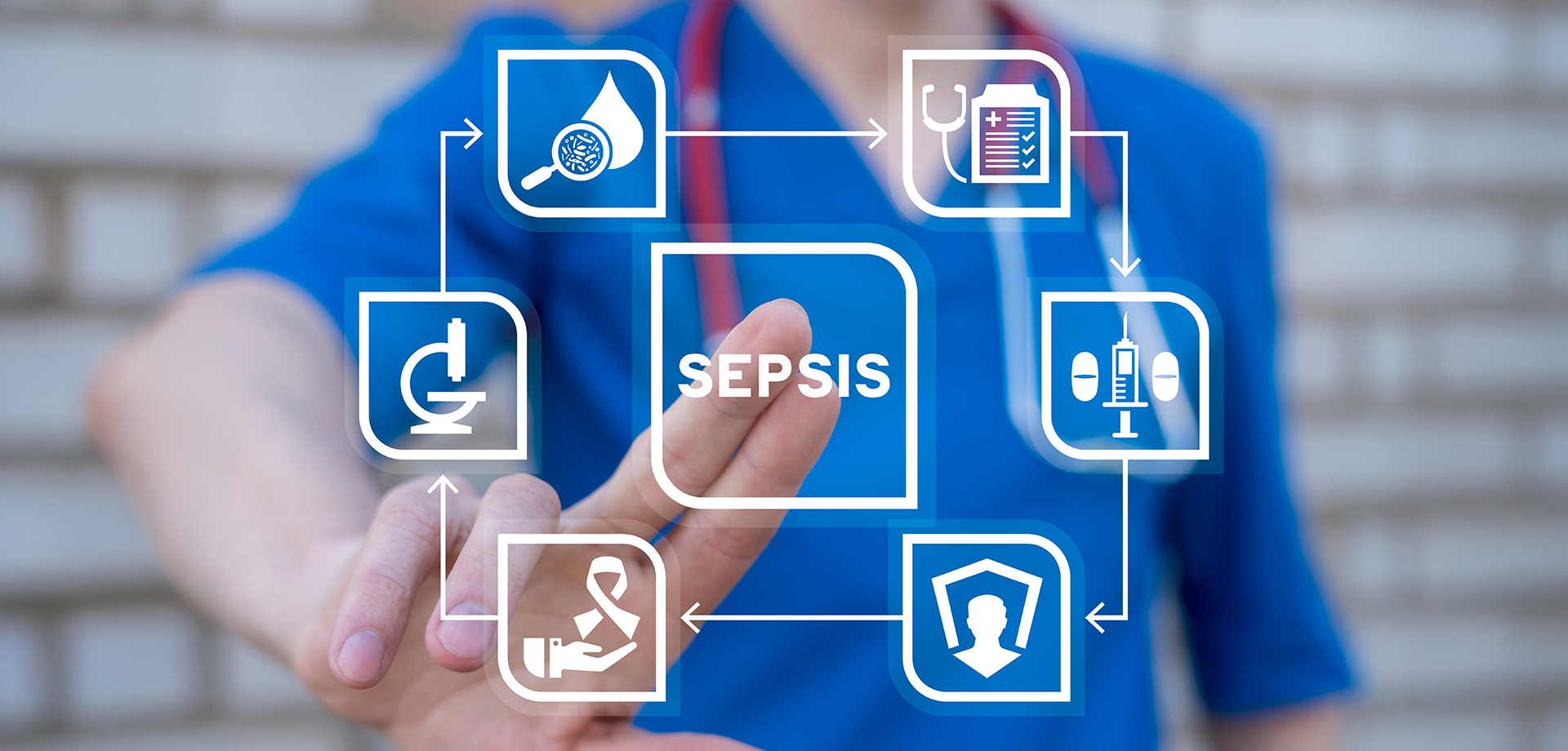
Sepsis is a life-threatening medical emergency that occurs when the body’s response to infection causes widespread inflammation, organ dysfunction, and potential shock. In emergency departments across Dubai and the UAE, early recognition and rapid initiation of sepsis bundle protocols are critical in reducing mortality. Sepsis can arise from infections such as pneumonia, urinary tract infections, abdominal infections, skin infections, or bloodstream infections. Without prompt treatment, it can progress to septic shock, multi-organ failure, and death.
The cornerstone of modern sepsis management is the “Sepsis Bundle,” a structured, evidence-based protocol designed to be implemented within the first hour of suspicion. Early identification begins with screening tools that assess vital signs, laboratory markers, and organ dysfunction indicators. Symptoms may include fever or hypothermia, rapid heart rate, low blood pressure, confusion, shortness of breath, and decreased urine output.
Once sepsis is suspected, immediate steps are taken. Blood cultures are drawn before antibiotic administration whenever possible. Broad-spectrum intravenous antibiotics are started promptly, as every hour of delay increases mortality risk. Rapid fluid resuscitation with intravenous crystalloids is initiated to stabilize blood pressure and improve tissue perfusion.
Lactate measurement is a key component of sepsis evaluation. Elevated lactate levels indicate tissue hypoperfusion and help guide the aggressiveness of treatment. If hypotension persists despite fluids, vasopressor therapy may be started to maintain adequate blood pressure.
Continuous monitoring is essential during sepsis management. Cardiac rhythm, oxygen saturation, urine output, and laboratory values are closely observed. In severe cases, patients may require admission to the Intensive Care Unit for advanced support including mechanical ventilation or renal replacement therapy.
In the UAE, where diabetes and chronic diseases are prevalent, certain populations are at higher risk for severe infections and sepsis. Early presentation to emergency services and public awareness about warning signs are crucial for improving outcomes.
Sepsis bundle activation requires multidisciplinary coordination among emergency physicians, nurses, laboratory teams, pharmacists, and critical care specialists. Hospitals maintain standardized “Code Sepsis” pathways to streamline rapid diagnosis and treatment.
Although aggressive treatment is necessary, careful monitoring helps minimize complications such as fluid overload or antibiotic resistance. De-escalation of antibiotics occurs once culture results are available.
Sepsis bundle initiation exemplifies time-sensitive emergency care. Through early recognition, rapid antibiotic administration, fluid resuscitation, and hemodynamic stabilization, emergency departments significantly reduce morbidity and mortality associated with severe infections.
The cornerstone of modern sepsis management is the “Sepsis Bundle,” a structured, evidence-based protocol designed to be implemented within the first hour of suspicion. Early identification begins with screening tools that assess vital signs, laboratory markers, and organ dysfunction indicators. Symptoms may include fever or hypothermia, rapid heart rate, low blood pressure, confusion, shortness of breath, and decreased urine output.
Once sepsis is suspected, immediate steps are taken. Blood cultures are drawn before antibiotic administration whenever possible. Broad-spectrum intravenous antibiotics are started promptly, as every hour of delay increases mortality risk. Rapid fluid resuscitation with intravenous crystalloids is initiated to stabilize blood pressure and improve tissue perfusion.
Lactate measurement is a key component of sepsis evaluation. Elevated lactate levels indicate tissue hypoperfusion and help guide the aggressiveness of treatment. If hypotension persists despite fluids, vasopressor therapy may be started to maintain adequate blood pressure.
Continuous monitoring is essential during sepsis management. Cardiac rhythm, oxygen saturation, urine output, and laboratory values are closely observed. In severe cases, patients may require admission to the Intensive Care Unit for advanced support including mechanical ventilation or renal replacement therapy.
In the UAE, where diabetes and chronic diseases are prevalent, certain populations are at higher risk for severe infections and sepsis. Early presentation to emergency services and public awareness about warning signs are crucial for improving outcomes.
Sepsis bundle activation requires multidisciplinary coordination among emergency physicians, nurses, laboratory teams, pharmacists, and critical care specialists. Hospitals maintain standardized “Code Sepsis” pathways to streamline rapid diagnosis and treatment.
Although aggressive treatment is necessary, careful monitoring helps minimize complications such as fluid overload or antibiotic resistance. De-escalation of antibiotics occurs once culture results are available.
Sepsis bundle initiation exemplifies time-sensitive emergency care. Through early recognition, rapid antibiotic administration, fluid resuscitation, and hemodynamic stabilization, emergency departments significantly reduce morbidity and mortality associated with severe infections.
Quick Contact
If you have any questions simply use the following contact details.

Working Hours
-
Out-patient Department
Monday to Saturday 08:00 AM - 09:00 PM
Sunday 10:00 AM - 06:00 PM
-
Emergency Department & Pharmacy
Sunday to Saturday 24x7



Book Appointments, Inquire, or Manage Your Care Easily – Get in Touch via
 04 406 3000
  04 406 3000
Quick Links
Legal
Working Hours
-
Out-patient Department
Monday to Saturday | 8 AM to 9 PM
Sunday | 10 AM to 6 PM
Emergency Department & Pharmacy | 24x7
Connect with us!




©2026 IMH. All Rights Reserved. Ministry of Health License No : YP7TYZVC-090326