

Point-of-Care Ultrasound (POCUS)
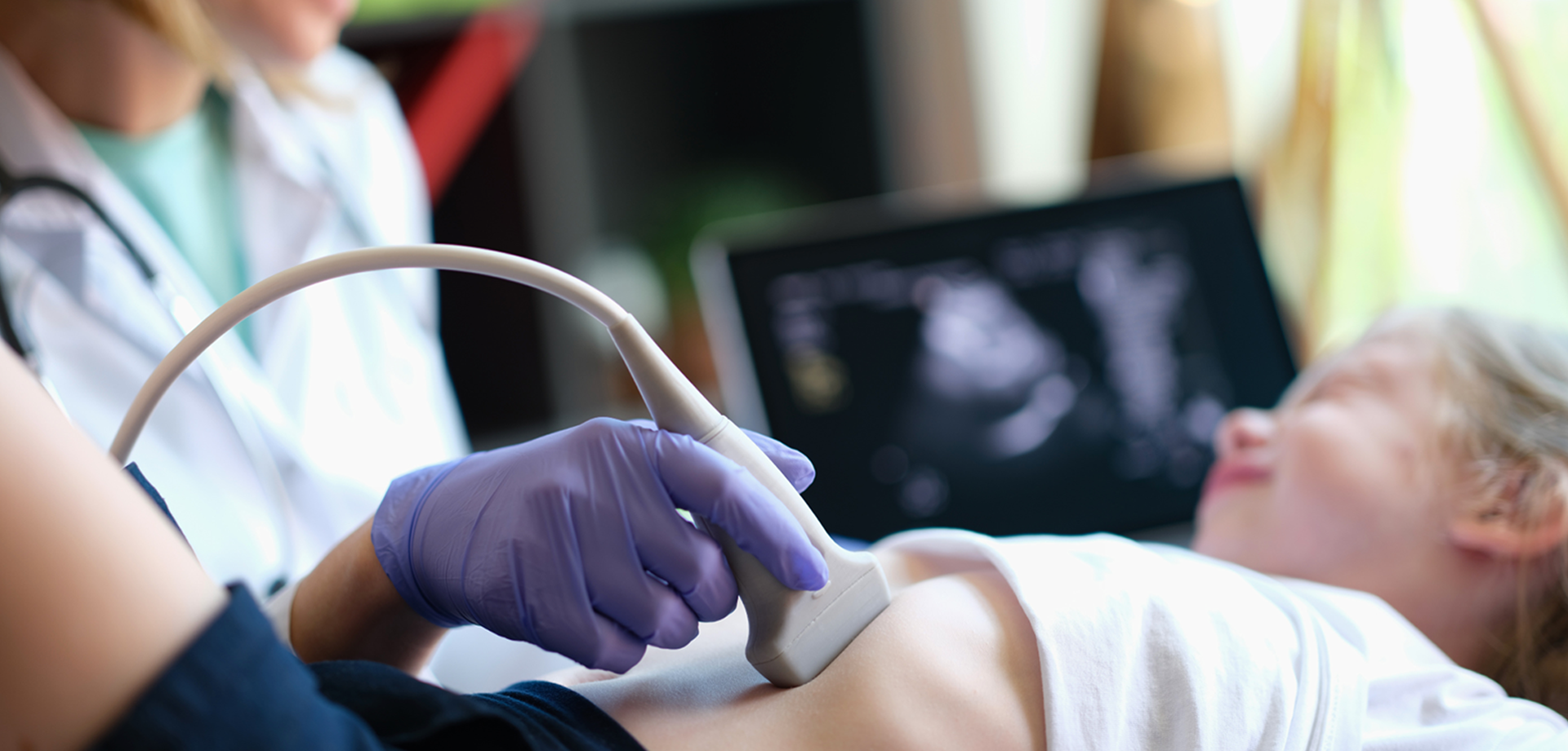
Point-of-Care Ultrasound (POCUS) is a transformative diagnostic tool in emergency medicine, allowing physicians to perform rapid bedside imaging to guide clinical decision-making. In emergency departments across Dubai and the UAE, POCUS enhances patient assessment by providing immediate visual insights into critical conditions without delaying treatment.
Unlike traditional ultrasound performed in radiology departments, POCUS is conducted at the patient’s bedside by trained emergency physicians. It is particularly valuable in time-sensitive emergencies such as trauma, cardiac arrest, shock, abdominal pain, respiratory distress, and suspected internal bleeding.
In trauma cases, the Focused Assessment with Sonography for Trauma (FAST) exam detects free fluid in the abdomen or chest that may indicate internal bleeding. Rapid identification allows immediate surgical consultation and intervention. In patients with undifferentiated shock, ultrasound helps differentiate between cardiogenic, hypovolemic, obstructive, or distributive shock.
Cardiac POCUS evaluates heart function, pericardial effusion, and cardiac activity during cardiac arrest. Lung ultrasound assists in diagnosing pneumonia, pulmonary edema, pneumothorax, and pleural effusion. Abdominal ultrasound helps detect gallstones, kidney stones, urinary retention, and aortic aneurysms.
POCUS also improves procedural safety. It guides central line insertion, peripheral IV access, abscess drainage, thoracentesis, and nerve blocks. Ultrasound guidance reduces complications and improves procedural success rates.
In pediatric emergencies, POCUS minimizes radiation exposure by reducing the need for CT scans when appropriate. It is also beneficial in obstetric emergencies for rapid fetal assessment.
Emergency departments in the UAE are equipped with portable ultrasound machines designed for rapid deployment. Physicians undergo structured training and certification to ensure accurate image acquisition and interpretation.
The major advantage of POCUS is speed. In critical scenarios, waiting for formal imaging may delay life-saving interventions. Bedside ultrasound provides immediate answers that shape clinical decisions within minutes.
Although POCUS does not replace comprehensive radiological studies, it complements them by serving as an extension of the physical examination. Findings are documented and integrated into patient care plans.
Point-of-Care Ultrasound represents a significant advancement in emergency diagnostics. By combining rapid visualization with clinical expertise, emergency physicians improve diagnostic accuracy, expedite treatment, and enhance patient safety.
Unlike traditional ultrasound performed in radiology departments, POCUS is conducted at the patient’s bedside by trained emergency physicians. It is particularly valuable in time-sensitive emergencies such as trauma, cardiac arrest, shock, abdominal pain, respiratory distress, and suspected internal bleeding.
In trauma cases, the Focused Assessment with Sonography for Trauma (FAST) exam detects free fluid in the abdomen or chest that may indicate internal bleeding. Rapid identification allows immediate surgical consultation and intervention. In patients with undifferentiated shock, ultrasound helps differentiate between cardiogenic, hypovolemic, obstructive, or distributive shock.
Cardiac POCUS evaluates heart function, pericardial effusion, and cardiac activity during cardiac arrest. Lung ultrasound assists in diagnosing pneumonia, pulmonary edema, pneumothorax, and pleural effusion. Abdominal ultrasound helps detect gallstones, kidney stones, urinary retention, and aortic aneurysms.
POCUS also improves procedural safety. It guides central line insertion, peripheral IV access, abscess drainage, thoracentesis, and nerve blocks. Ultrasound guidance reduces complications and improves procedural success rates.
In pediatric emergencies, POCUS minimizes radiation exposure by reducing the need for CT scans when appropriate. It is also beneficial in obstetric emergencies for rapid fetal assessment.
Emergency departments in the UAE are equipped with portable ultrasound machines designed for rapid deployment. Physicians undergo structured training and certification to ensure accurate image acquisition and interpretation.
The major advantage of POCUS is speed. In critical scenarios, waiting for formal imaging may delay life-saving interventions. Bedside ultrasound provides immediate answers that shape clinical decisions within minutes.
Although POCUS does not replace comprehensive radiological studies, it complements them by serving as an extension of the physical examination. Findings are documented and integrated into patient care plans.
Point-of-Care Ultrasound represents a significant advancement in emergency diagnostics. By combining rapid visualization with clinical expertise, emergency physicians improve diagnostic accuracy, expedite treatment, and enhance patient safety.
Quick Contact
If you have any questions simply use the following contact details.

Working Hours
-
Out-patient Department
Monday to Saturday 08:00 AM - 09:00 PM
Sunday 10:00 AM - 06:00 PM
-
Emergency Department & Pharmacy
Sunday to Saturday 24x7



Book Appointments, Inquire, or Manage Your Care Easily – Get in Touch via
 04 406 3000
  04 406 3000
Quick Links
Legal
Working Hours
-
Out-patient Department
Monday to Saturday | 8 AM to 9 PM
Sunday | 10 AM to 6 PM
Emergency Department & Pharmacy | 24x7
Connect with us!




©2026 IMH. All Rights Reserved. Ministry of Health License No : YP7TYZVC-090326