

Lipid-Lowering Therapy Optimization
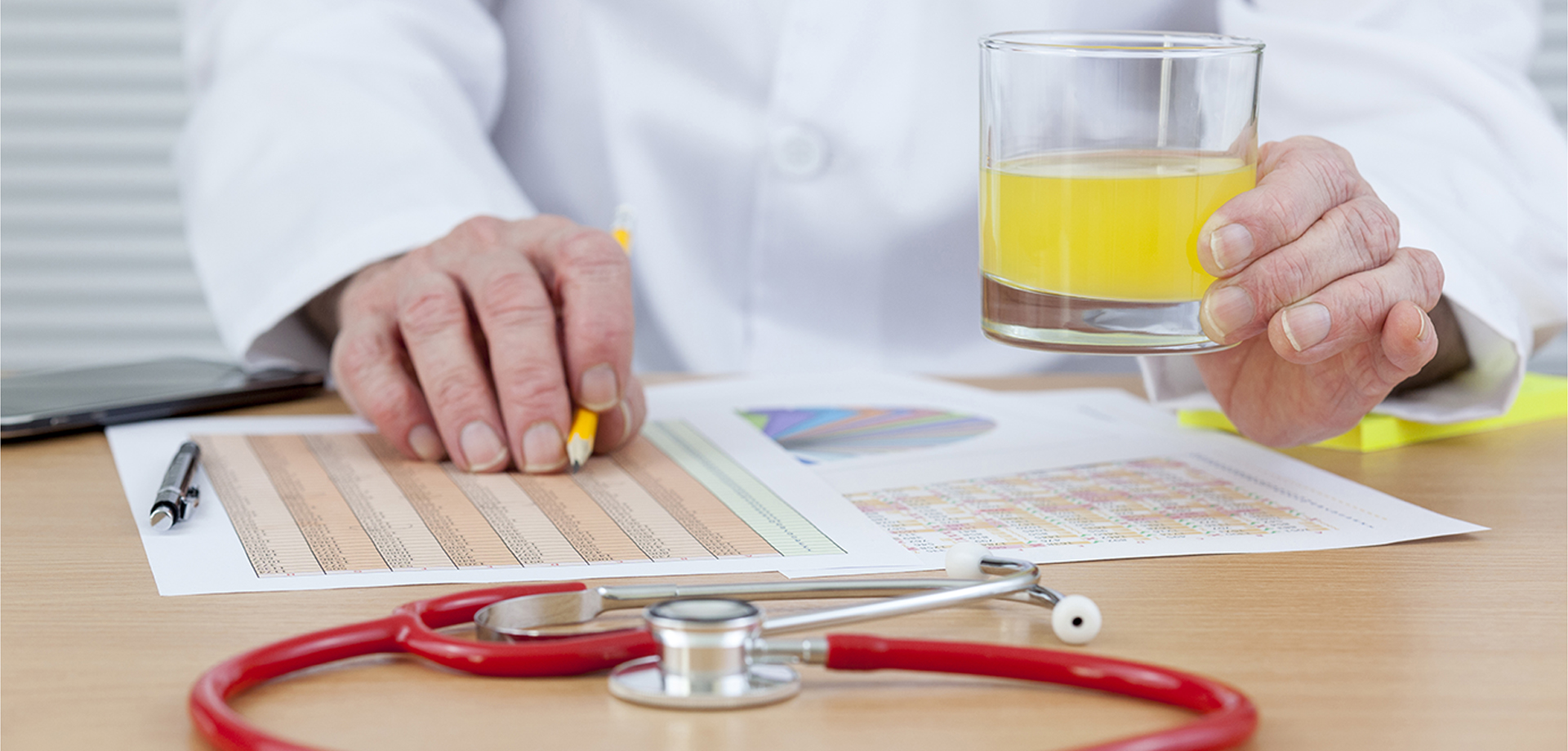
Lipid-lowering therapy optimization is a key component of cardiometabolic risk management, particularly in individuals with diabetes, metabolic syndrome, obesity, and established cardiovascular disease. Dyslipidemia significantly increases the risk of atherosclerosis, heart attack, and stroke, making effective lipid control a cornerstone of preventive endocrine and cardiovascular care.
Optimization begins with comprehensive lipid profiling and cardiovascular risk assessment. Total cholesterol values alone are insufficient; treatment decisions are guided by low-density lipoprotein cholesterol levels, triglycerides, high-density lipoprotein cholesterol, and overall risk profile. Individual factors such as age, diabetes status, hypertension, smoking history, kidney disease, and family history influence treatment intensity and targets.
Therapy optimization focuses on selecting appropriate lipid-lowering strategies and adjusting them over time to achieve and maintain target lipid levels safely. This includes dose titration, combination therapy when needed, and regular monitoring of treatment response. Safety considerations such as liver function, muscle tolerance, and drug interactions are integral to optimization.
Lifestyle intervention remains a foundational element of lipid management. Nutritional counseling, weight optimization, physical activity, and smoking cessation enhance the effectiveness of pharmacological therapy and contribute to long-term cardiovascular protection. Medication adherence is supported through patient education and regular follow-up.
Optimization is not static; lipid targets may evolve as a patient’s risk profile changes. Periodic reassessment ensures that therapy remains aligned with current risk and clinical status. When implemented through a structured care pathway, lipid-lowering therapy optimization significantly reduces cardiovascular events and supports long-term metabolic health.
Optimization begins with comprehensive lipid profiling and cardiovascular risk assessment. Total cholesterol values alone are insufficient; treatment decisions are guided by low-density lipoprotein cholesterol levels, triglycerides, high-density lipoprotein cholesterol, and overall risk profile. Individual factors such as age, diabetes status, hypertension, smoking history, kidney disease, and family history influence treatment intensity and targets.
Therapy optimization focuses on selecting appropriate lipid-lowering strategies and adjusting them over time to achieve and maintain target lipid levels safely. This includes dose titration, combination therapy when needed, and regular monitoring of treatment response. Safety considerations such as liver function, muscle tolerance, and drug interactions are integral to optimization.
Lifestyle intervention remains a foundational element of lipid management. Nutritional counseling, weight optimization, physical activity, and smoking cessation enhance the effectiveness of pharmacological therapy and contribute to long-term cardiovascular protection. Medication adherence is supported through patient education and regular follow-up.
Optimization is not static; lipid targets may evolve as a patient’s risk profile changes. Periodic reassessment ensures that therapy remains aligned with current risk and clinical status. When implemented through a structured care pathway, lipid-lowering therapy optimization significantly reduces cardiovascular events and supports long-term metabolic health.
Quick Contact
If you have any questions simply use the following contact details.

Working Hours
-
Out-patient Department
Monday to Saturday 08:00 AM - 09:00 PM
Sunday 10:00 AM - 06:00 PM
-
Emergency Department & Pharmacy
Sunday to Saturday 24x7



Book Appointments, Inquire, or Manage Your Care Easily – Get in Touch via
 04 406 3000
  04 406 3000
Quick Links
Legal
Working Hours
-
Out-patient Department
Monday to Saturday | 8 AM to 9 PM
Sunday | 10 AM to 6 PM
Emergency Department & Pharmacy | 24x7
Connect with us!




©2026 IMH. All Rights Reserved. Ministry of Health License No : YP7TYZVC-090326