

Fracture Reduction & Immobilization
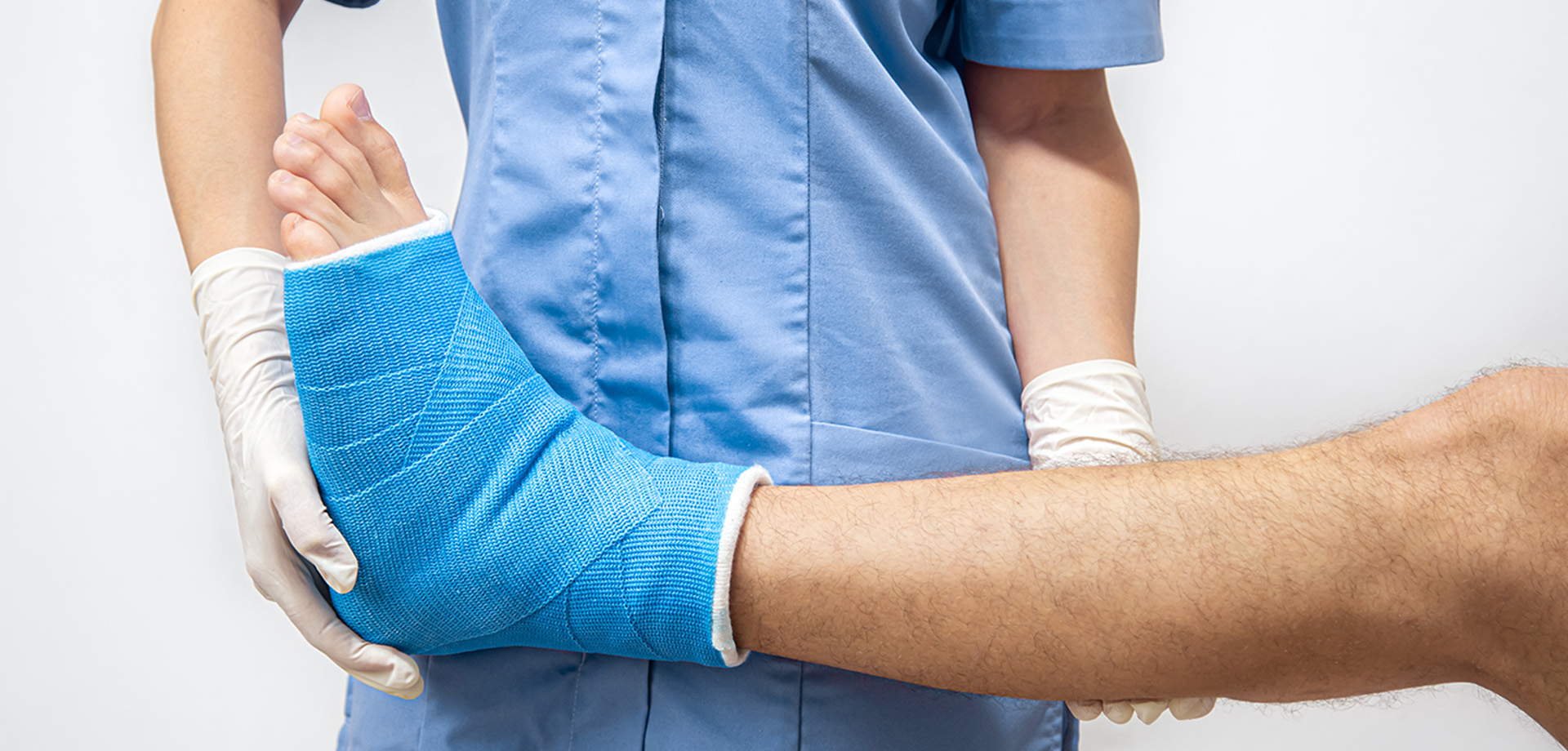
Fracture reduction and immobilization are critical emergency interventions for patients presenting with broken bones or dislocated joints. In the UAE, road traffic accidents, falls from height, sports injuries, and occupational trauma frequently result in fractures requiring immediate stabilization. Prompt and appropriate management minimizes pain, prevents complications, and preserves long-term function.
When a patient arrives with a suspected fracture, emergency physicians conduct a thorough clinical examination, assessing deformity, swelling, bruising, tenderness, and range of motion. Neurovascular evaluation is essential to ensure adequate blood flow and nerve function distal to the injury. X-rays are obtained to confirm the diagnosis and determine fracture type, alignment, and severity.
Fracture reduction refers to the process of realigning displaced bone fragments to restore anatomical positioning. Closed reduction, performed without surgery, is commonly done in the emergency department under procedural sedation or local anesthesia. Gentle manipulation techniques are used to align the bone properly. Post-reduction imaging confirms successful realignment.
In more complex cases involving open fractures, multiple fragments, or unstable injuries, orthopedic surgical consultation is arranged for operative management. However, initial stabilization in the emergency department remains crucial.
Immobilization is achieved using splints, casts, braces, or traction devices. Splints are often preferred initially to accommodate swelling and reduce compartment syndrome risk. Proper immobilization prevents further displacement, decreases pain, protects surrounding tissues, and facilitates healing.
Joint dislocations, such as shoulder or finger dislocations, also require reduction procedures. Prompt repositioning of the joint reduces the risk of neurovascular compromise and chronic instability.
Pain management is an integral component of fracture care. Multimodal analgesia ensures patient comfort while maintaining safety. Ice application, limb elevation, and patient education further support recovery.
Emergency departments in Dubai are equipped with orthopedic procedure rooms, imaging facilities, casting materials, and sedation monitoring systems to ensure safe and efficient fracture management. Early rehabilitation planning and referral to orthopedic specialists help optimize long-term outcomes.
Complications such as compartment syndrome, infection in open fractures, or improper alignment are carefully monitored. Clear discharge instructions are provided regarding cast care, activity restrictions, warning signs, and follow-up appointments.
Fracture reduction and immobilization represent foundational emergency orthopedic services. Through timely intervention, precise alignment, and effective immobilization, emergency physicians protect limb function and accelerate recovery for trauma patients of all ages.
When a patient arrives with a suspected fracture, emergency physicians conduct a thorough clinical examination, assessing deformity, swelling, bruising, tenderness, and range of motion. Neurovascular evaluation is essential to ensure adequate blood flow and nerve function distal to the injury. X-rays are obtained to confirm the diagnosis and determine fracture type, alignment, and severity.
Fracture reduction refers to the process of realigning displaced bone fragments to restore anatomical positioning. Closed reduction, performed without surgery, is commonly done in the emergency department under procedural sedation or local anesthesia. Gentle manipulation techniques are used to align the bone properly. Post-reduction imaging confirms successful realignment.
In more complex cases involving open fractures, multiple fragments, or unstable injuries, orthopedic surgical consultation is arranged for operative management. However, initial stabilization in the emergency department remains crucial.
Immobilization is achieved using splints, casts, braces, or traction devices. Splints are often preferred initially to accommodate swelling and reduce compartment syndrome risk. Proper immobilization prevents further displacement, decreases pain, protects surrounding tissues, and facilitates healing.
Joint dislocations, such as shoulder or finger dislocations, also require reduction procedures. Prompt repositioning of the joint reduces the risk of neurovascular compromise and chronic instability.
Pain management is an integral component of fracture care. Multimodal analgesia ensures patient comfort while maintaining safety. Ice application, limb elevation, and patient education further support recovery.
Emergency departments in Dubai are equipped with orthopedic procedure rooms, imaging facilities, casting materials, and sedation monitoring systems to ensure safe and efficient fracture management. Early rehabilitation planning and referral to orthopedic specialists help optimize long-term outcomes.
Complications such as compartment syndrome, infection in open fractures, or improper alignment are carefully monitored. Clear discharge instructions are provided regarding cast care, activity restrictions, warning signs, and follow-up appointments.
Fracture reduction and immobilization represent foundational emergency orthopedic services. Through timely intervention, precise alignment, and effective immobilization, emergency physicians protect limb function and accelerate recovery for trauma patients of all ages.
Quick Contact
If you have any questions simply use the following contact details.

Working Hours
-
Out-patient Department
Monday to Saturday 08:00 AM - 09:00 PM
Sunday 10:00 AM - 06:00 PM
-
Emergency Department & Pharmacy
Sunday to Saturday 24x7



Book Appointments, Inquire, or Manage Your Care Easily – Get in Touch via
 04 406 3000
  04 406 3000
Quick Links
Legal
Working Hours
-
Out-patient Department
Monday to Saturday | 8 AM to 9 PM
Sunday | 10 AM to 6 PM
Emergency Department & Pharmacy | 24x7
Connect with us!




©2026 IMH. All Rights Reserved. Ministry of Health License No : YP7TYZVC-090326