

Enteral Feeding Plan Management
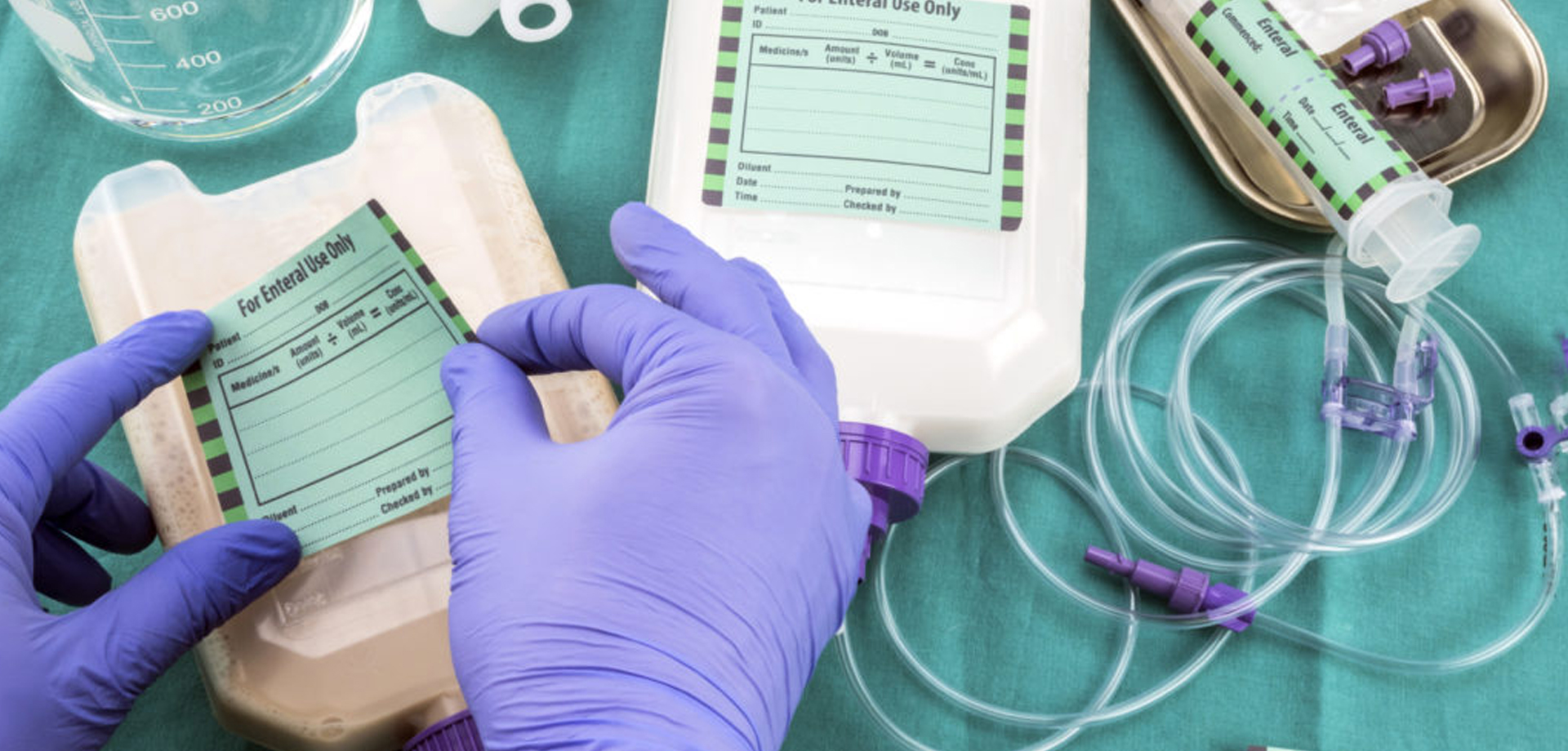
Enteral feeding plan management is a specialized nutrition service for patients who are unable to meet their nutritional requirements through oral intake but have a functioning gastrointestinal tract. Enteral nutrition plays a vital role in maintaining nutritional status, supporting recovery, preserving gut integrity, and reducing complications in hospitalized and long-term care patients. Proper planning and management are essential to ensure safety, adequacy, and clinical effectiveness.
Enteral feeding is indicated in a wide range of conditions, including neurological disorders affecting swallowing, critical illness, post-surgical recovery, head and neck conditions, severe malnutrition, and prolonged reduced oral intake. The process begins with a comprehensive nutritional and clinical assessment that considers diagnosis, gastrointestinal function, metabolic needs, fluid status, medication interactions, and risk of aspiration.
Enteral feeding plan management involves selecting the appropriate feeding route, formula type, delivery method, and feeding schedule. Decisions are individualized based on patient tolerance, nutritional requirements, and clinical goals. Continuous, intermittent, or bolus feeding regimens are chosen to optimize nutrient delivery while minimizing gastrointestinal discomfort and complications.
Monitoring is a central component of enteral nutrition management. Patients are closely observed for tolerance, including gastrointestinal symptoms, gastric residuals where appropriate, electrolyte balance, hydration status, and metabolic response. Nutritional plans are adjusted dynamically based on laboratory values, clinical progress, and changes in medical condition.
Interdisciplinary coordination is essential for successful enteral feeding. Dietitians work closely with physicians, nurses, speech therapists, and pharmacists to ensure seamless care. Education is provided to patients and caregivers regarding tube care, feeding administration, hygiene, and recognition of complications, particularly for patients transitioning to home enteral nutrition.
Effective enteral feeding plan management reduces infection risk, shortens hospital stay, improves wound healing, and supports functional recovery. When delivered through a structured nutrition support service, enteral nutrition becomes a safe, effective therapeutic intervention rather than a supportive measure alone.
Enteral feeding is indicated in a wide range of conditions, including neurological disorders affecting swallowing, critical illness, post-surgical recovery, head and neck conditions, severe malnutrition, and prolonged reduced oral intake. The process begins with a comprehensive nutritional and clinical assessment that considers diagnosis, gastrointestinal function, metabolic needs, fluid status, medication interactions, and risk of aspiration.
Enteral feeding plan management involves selecting the appropriate feeding route, formula type, delivery method, and feeding schedule. Decisions are individualized based on patient tolerance, nutritional requirements, and clinical goals. Continuous, intermittent, or bolus feeding regimens are chosen to optimize nutrient delivery while minimizing gastrointestinal discomfort and complications.
Monitoring is a central component of enteral nutrition management. Patients are closely observed for tolerance, including gastrointestinal symptoms, gastric residuals where appropriate, electrolyte balance, hydration status, and metabolic response. Nutritional plans are adjusted dynamically based on laboratory values, clinical progress, and changes in medical condition.
Interdisciplinary coordination is essential for successful enteral feeding. Dietitians work closely with physicians, nurses, speech therapists, and pharmacists to ensure seamless care. Education is provided to patients and caregivers regarding tube care, feeding administration, hygiene, and recognition of complications, particularly for patients transitioning to home enteral nutrition.
Effective enteral feeding plan management reduces infection risk, shortens hospital stay, improves wound healing, and supports functional recovery. When delivered through a structured nutrition support service, enteral nutrition becomes a safe, effective therapeutic intervention rather than a supportive measure alone.
Quick Contact
If you have any questions simply use the following contact details.

Working Hours
-
Out-patient Department
Monday to Saturday 08:00 AM - 09:00 PM
Sunday 10:00 AM - 06:00 PM
-
Emergency Department & Pharmacy
Sunday to Saturday 24x7



Book Appointments, Inquire, or Manage Your Care Easily – Get in Touch via
 04 406 3000
  04 406 3000
Quick Links
Legal
Working Hours
-
Out-patient Department
Monday to Saturday | 8 AM to 9 PM
Sunday | 10 AM to 6 PM
Emergency Department & Pharmacy | 24x7
Connect with us!




©2026 IMH. All Rights Reserved. Ministry of Health License No : YP7TYZVC-090326