

Emergency Imaging Coordination (CT / MRI)
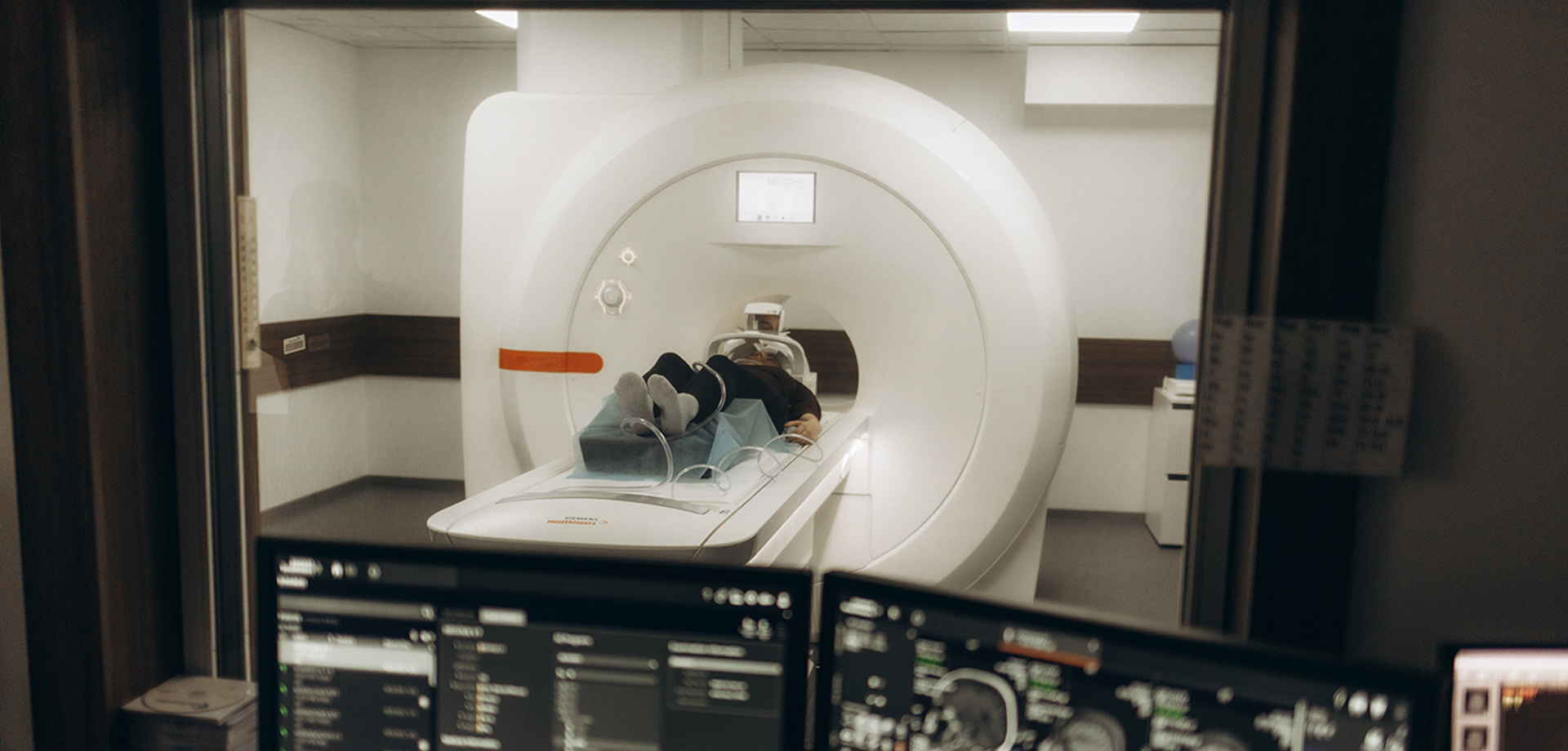
Emergency imaging coordination is a vital component of modern emergency medicine, enabling rapid diagnosis of life-threatening conditions through advanced radiological technologies such as Computed Tomography (CT) and Magnetic Resonance Imaging (MRI). In Dubai’s leading hospitals, seamless integration between emergency departments and radiology units ensures timely imaging for critical patients.
When patients present with severe head injuries, suspected stroke, chest pain, abdominal trauma, or unexplained neurological symptoms, advanced imaging may be required urgently. CT scans are particularly valuable for detecting intracranial bleeding, fractures, pulmonary embolism, abdominal organ injury, and acute vascular events. MRI provides superior soft tissue detail and is often used in neurological, spinal, and musculoskeletal emergencies.
Emergency imaging coordination begins with rapid clinical assessment to determine the appropriate modality. Time-sensitive protocols such as “Code Stroke” prioritize immediate brain CT to differentiate ischemic stroke from hemorrhage. Early imaging allows prompt thrombolytic therapy or interventional procedures.
Trauma patients frequently undergo whole-body CT scans to identify hidden injuries. In cases of suspected appendicitis, kidney stones, or bowel obstruction, CT imaging confirms diagnosis and guides surgical planning.
MRI is particularly useful in evaluating spinal cord injuries, ligament damage, or certain brain pathologies when CT findings are inconclusive. However, due to longer scan times, MRI is selectively used in stable patients.
Emergency departments maintain streamlined communication channels with radiology teams to minimize delays. Dedicated emergency CT scanners and priority imaging pathways ensure rapid turnaround times.
Radiologists provide immediate interpretation for critical findings, enabling emergency physicians to make timely decisions. Digital imaging systems allow instant access to scans across departments.
Radiation safety is carefully considered, especially in pediatric and pregnant patients. Alternative imaging modalities are used whenever appropriate.
Effective emergency imaging coordination reduces diagnostic uncertainty, accelerates treatment decisions, and improves patient outcomes. By integrating rapid assessment, advanced technology, and multidisciplinary collaboration, emergency departments deliver comprehensive, high-quality diagnostic care.
When patients present with severe head injuries, suspected stroke, chest pain, abdominal trauma, or unexplained neurological symptoms, advanced imaging may be required urgently. CT scans are particularly valuable for detecting intracranial bleeding, fractures, pulmonary embolism, abdominal organ injury, and acute vascular events. MRI provides superior soft tissue detail and is often used in neurological, spinal, and musculoskeletal emergencies.
Emergency imaging coordination begins with rapid clinical assessment to determine the appropriate modality. Time-sensitive protocols such as “Code Stroke” prioritize immediate brain CT to differentiate ischemic stroke from hemorrhage. Early imaging allows prompt thrombolytic therapy or interventional procedures.
Trauma patients frequently undergo whole-body CT scans to identify hidden injuries. In cases of suspected appendicitis, kidney stones, or bowel obstruction, CT imaging confirms diagnosis and guides surgical planning.
MRI is particularly useful in evaluating spinal cord injuries, ligament damage, or certain brain pathologies when CT findings are inconclusive. However, due to longer scan times, MRI is selectively used in stable patients.
Emergency departments maintain streamlined communication channels with radiology teams to minimize delays. Dedicated emergency CT scanners and priority imaging pathways ensure rapid turnaround times.
Radiologists provide immediate interpretation for critical findings, enabling emergency physicians to make timely decisions. Digital imaging systems allow instant access to scans across departments.
Radiation safety is carefully considered, especially in pediatric and pregnant patients. Alternative imaging modalities are used whenever appropriate.
Effective emergency imaging coordination reduces diagnostic uncertainty, accelerates treatment decisions, and improves patient outcomes. By integrating rapid assessment, advanced technology, and multidisciplinary collaboration, emergency departments deliver comprehensive, high-quality diagnostic care.
Quick Contact
If you have any questions simply use the following contact details.

Working Hours
-
Out-patient Department
Monday to Saturday 08:00 AM - 09:00 PM
Sunday 10:00 AM - 06:00 PM
-
Emergency Department & Pharmacy
Sunday to Saturday 24x7


Book Appointments, Inquire, or Manage Your Care Easily – Get in Touch via
 04 406 3000
  04 406 3000
Quick Links
Legal
Working Hours
-
Out-patient Department
Monday to Saturday | 8 AM to 9 PM
Sunday | 10 AM to 6 PM
Emergency Department & Pharmacy | 24x7
Connect with us!




©2026 IMH. All Rights Reserved. Ministry of Health License No : YP7TYZVC-090326