

Defibrillation / Cardioversion
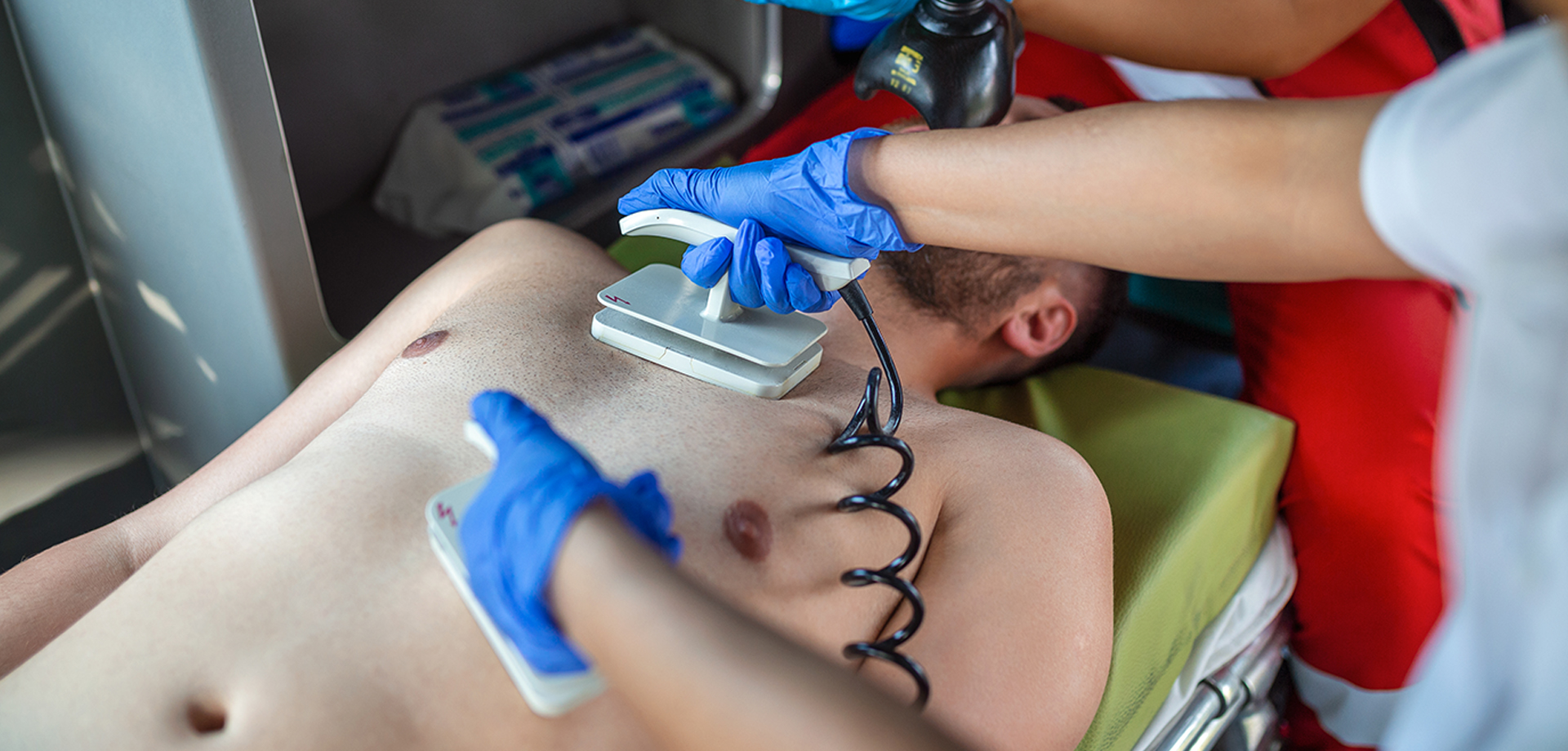
Defibrillation and cardioversion are life-saving cardiac interventions used in emergency medicine to correct dangerous heart rhythm abnormalities. In high-acuity emergency departments across Dubai and the UAE, these procedures are routinely performed for patients experiencing life-threatening arrhythmias such as ventricular fibrillation, ventricular tachycardia, atrial fibrillation with instability, or supraventricular tachycardia. Rapid recognition and immediate electrical therapy significantly improve survival rates and prevent sudden cardiac death.
Defibrillation is an emergency procedure used primarily during cardiac arrest when a patient develops ventricular fibrillation or pulseless ventricular tachycardia. These chaotic heart rhythms prevent effective blood circulation. A defibrillator delivers a controlled electric shock to the heart, momentarily stopping abnormal electrical activity and allowing the natural pacemaker of the heart to re-establish a normal rhythm. Timing is critical — every minute of delay in defibrillation reduces survival chances by approximately 7–10 percent.
Modern emergency departments are equipped with automated external defibrillators (AEDs) and advanced manual defibrillators capable of synchronized and unsynchronized shocks. During cardiac arrest management, defibrillation is integrated within Advanced Cardiac Life Support (ACLS) protocols, alongside high-quality CPR, airway management, intravenous medications, and cardiac monitoring.
Cardioversion, on the other hand, is used when a patient has a serious but organized abnormal heart rhythm that is causing instability, such as low blood pressure, chest pain, or shortness of breath. In synchronized cardioversion, the shock is delivered precisely timed with the cardiac cycle to avoid triggering more dangerous arrhythmias. It is commonly performed for atrial fibrillation, atrial flutter, or unstable supraventricular tachycardia.
Before cardioversion in stable patients, sedation is administered for comfort. Continuous cardiac monitoring and oxygen support are provided during the procedure. Emergency physicians ensure appropriate energy settings, pad placement, and post-procedure rhythm evaluation.
In the UAE, where cardiovascular diseases are highly prevalent due to diabetes, hypertension, and lifestyle risk factors, rapid access to emergency defibrillation and cardioversion services is essential. Hospitals maintain 24/7 readiness with crash carts, defibrillators, and trained emergency response teams to handle cardiac emergencies at any hour.
Complications are rare but may include minor skin burns, transient arrhythmias, or rarely thromboembolic events in atrial fibrillation. Proper assessment and guideline-based practice significantly minimize risks.
Beyond the emergency department, defibrillation protocols extend to hospital wards, outpatient areas, and even public spaces through AED deployment programs. Early recognition of cardiac arrest symptoms and rapid response activation are vital components of improving survival outcomes.
Defibrillation and cardioversion represent cornerstone interventions in emergency cardiology. When performed promptly and correctly, these procedures restore effective cardiac function, stabilize critically ill patients, and dramatically increase the likelihood of survival and neurological recovery.
Defibrillation is an emergency procedure used primarily during cardiac arrest when a patient develops ventricular fibrillation or pulseless ventricular tachycardia. These chaotic heart rhythms prevent effective blood circulation. A defibrillator delivers a controlled electric shock to the heart, momentarily stopping abnormal electrical activity and allowing the natural pacemaker of the heart to re-establish a normal rhythm. Timing is critical — every minute of delay in defibrillation reduces survival chances by approximately 7–10 percent.
Modern emergency departments are equipped with automated external defibrillators (AEDs) and advanced manual defibrillators capable of synchronized and unsynchronized shocks. During cardiac arrest management, defibrillation is integrated within Advanced Cardiac Life Support (ACLS) protocols, alongside high-quality CPR, airway management, intravenous medications, and cardiac monitoring.
Cardioversion, on the other hand, is used when a patient has a serious but organized abnormal heart rhythm that is causing instability, such as low blood pressure, chest pain, or shortness of breath. In synchronized cardioversion, the shock is delivered precisely timed with the cardiac cycle to avoid triggering more dangerous arrhythmias. It is commonly performed for atrial fibrillation, atrial flutter, or unstable supraventricular tachycardia.
Before cardioversion in stable patients, sedation is administered for comfort. Continuous cardiac monitoring and oxygen support are provided during the procedure. Emergency physicians ensure appropriate energy settings, pad placement, and post-procedure rhythm evaluation.
In the UAE, where cardiovascular diseases are highly prevalent due to diabetes, hypertension, and lifestyle risk factors, rapid access to emergency defibrillation and cardioversion services is essential. Hospitals maintain 24/7 readiness with crash carts, defibrillators, and trained emergency response teams to handle cardiac emergencies at any hour.
Complications are rare but may include minor skin burns, transient arrhythmias, or rarely thromboembolic events in atrial fibrillation. Proper assessment and guideline-based practice significantly minimize risks.
Beyond the emergency department, defibrillation protocols extend to hospital wards, outpatient areas, and even public spaces through AED deployment programs. Early recognition of cardiac arrest symptoms and rapid response activation are vital components of improving survival outcomes.
Defibrillation and cardioversion represent cornerstone interventions in emergency cardiology. When performed promptly and correctly, these procedures restore effective cardiac function, stabilize critically ill patients, and dramatically increase the likelihood of survival and neurological recovery.
Quick Contact
If you have any questions simply use the following contact details.

Working Hours
-
Out-patient Department
Monday to Saturday 08:00 AM - 09:00 PM
Sunday 10:00 AM - 06:00 PM
-
Emergency Department & Pharmacy
Sunday to Saturday 24x7



Book Appointments, Inquire, or Manage Your Care Easily – Get in Touch via
 04 406 3000
  04 406 3000
Quick Links
Legal
Working Hours
-
Out-patient Department
Monday to Saturday | 8 AM to 9 PM
Sunday | 10 AM to 6 PM
Emergency Department & Pharmacy | 24x7
Connect with us!




©2026 IMH. All Rights Reserved. Ministry of Health License No : YP7TYZVC-090326