

Continuous Glucose Monitoring (CGM) Programs
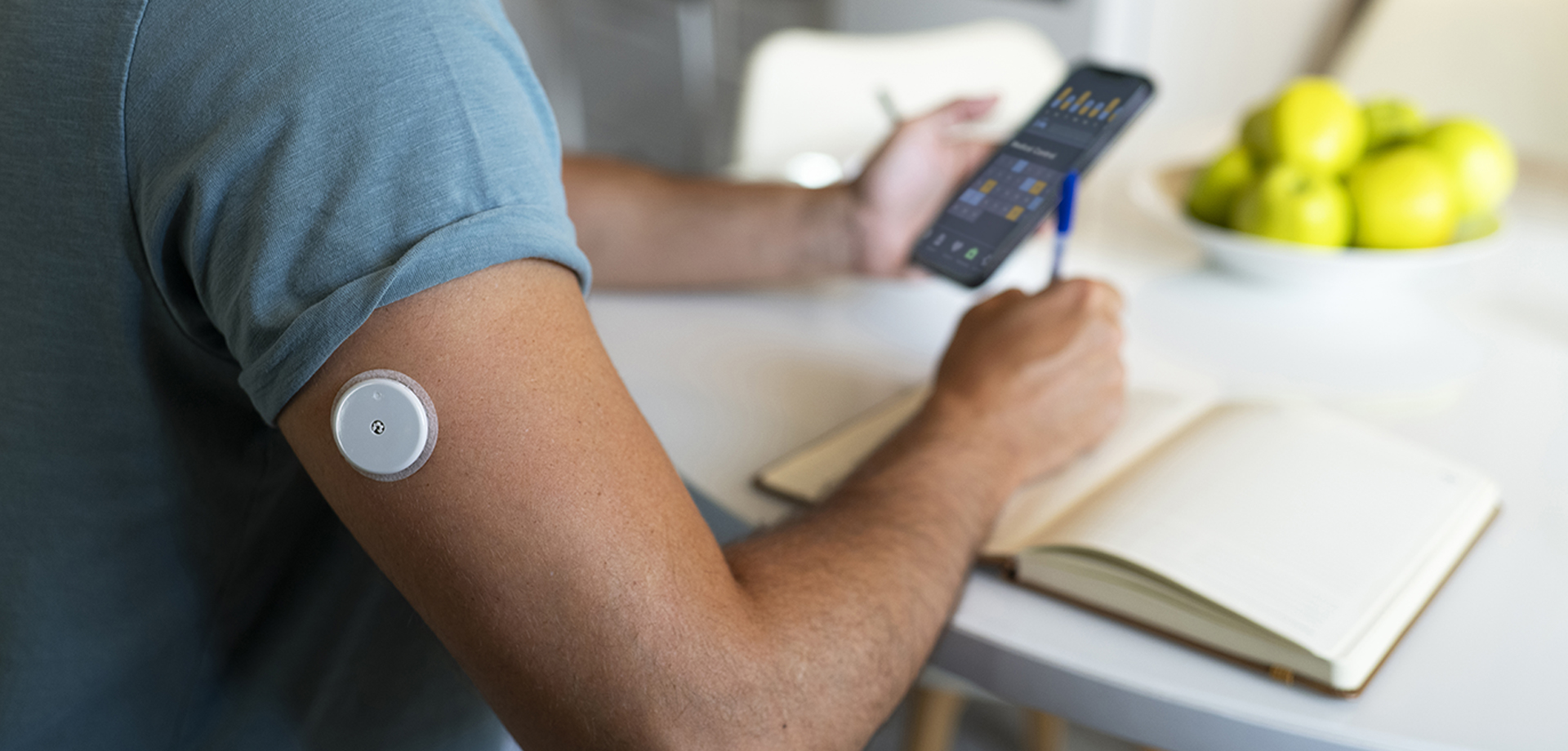
Continuous glucose monitoring (CGM) programs represent a major advancement in modern diabetes care by enabling real-time, dynamic tracking of glucose levels throughout the day and night. Unlike traditional self-monitoring of blood glucose using finger-stick testing, CGM systems measure interstitial glucose continuously, providing detailed insights into glucose trends, patterns, and variability. This allows both patients and clinicians to move beyond isolated readings toward data-driven, proactive diabetes management.
CGM programs are particularly valuable for individuals with Type 1 diabetes, insulin-treated Type 2 diabetes, recurrent hypoglycemia, hypoglycemia unawareness, gestational diabetes requiring insulin, and those with highly variable glucose levels. By offering continuous data, CGM identifies fluctuations that may otherwise go undetected, such as nocturnal hypoglycemia or post-meal glucose spikes. This early detection enables timely intervention and reduces the risk of acute and long-term complications.
A structured CGM program extends far beyond device placement. It includes patient selection, education, sensor insertion training, interpretation of glucose trends, and regular clinical review of CGM reports. Patients are taught how to understand arrows, alerts, and time-in-range metrics, which provide a more comprehensive assessment of glycemic control than HbA1c alone. Time-in-range reflects the percentage of time glucose levels remain within target limits, offering a practical and patient-friendly goal.
CGM empowers patients by helping them understand how daily behaviors affect glucose levels. Meals, physical activity, stress, sleep, and medications can all be correlated with glucose trends, encouraging informed decision-making and improved self-management. This increased engagement has been shown to enhance adherence, confidence, and overall quality of life.
From a clinical perspective, CGM data allows precise therapy optimization. Insulin doses, oral medications, and injectable therapies can be adjusted based on glucose patterns rather than trial-and-error. CGM also supports safer insulin titration by reducing hypoglycemia risk and identifying periods of glucose instability. Alerts and alarms provide an additional safety layer, particularly for individuals at high risk of severe hypoglycemia.
CGM programs also play a critical role in reducing diabetes-related anxiety and treatment burden. Fewer finger-stick checks, improved predictability, and early warnings contribute to better psychological well-being. For caregivers and families, CGM offers reassurance through remote data sharing and alerts.
Long-term use of CGM has been associated with improved glycemic control, reduced glucose variability, lower rates of hypoglycemia, and improved treatment satisfaction. When integrated into a comprehensive endocrine care model, CGM transforms diabetes management from reactive to preventive, supporting sustainable control and reducing complications. A well-structured CGM program is now considered a cornerstone of advanced diabetes care.
CGM programs are particularly valuable for individuals with Type 1 diabetes, insulin-treated Type 2 diabetes, recurrent hypoglycemia, hypoglycemia unawareness, gestational diabetes requiring insulin, and those with highly variable glucose levels. By offering continuous data, CGM identifies fluctuations that may otherwise go undetected, such as nocturnal hypoglycemia or post-meal glucose spikes. This early detection enables timely intervention and reduces the risk of acute and long-term complications.
A structured CGM program extends far beyond device placement. It includes patient selection, education, sensor insertion training, interpretation of glucose trends, and regular clinical review of CGM reports. Patients are taught how to understand arrows, alerts, and time-in-range metrics, which provide a more comprehensive assessment of glycemic control than HbA1c alone. Time-in-range reflects the percentage of time glucose levels remain within target limits, offering a practical and patient-friendly goal.
CGM empowers patients by helping them understand how daily behaviors affect glucose levels. Meals, physical activity, stress, sleep, and medications can all be correlated with glucose trends, encouraging informed decision-making and improved self-management. This increased engagement has been shown to enhance adherence, confidence, and overall quality of life.
From a clinical perspective, CGM data allows precise therapy optimization. Insulin doses, oral medications, and injectable therapies can be adjusted based on glucose patterns rather than trial-and-error. CGM also supports safer insulin titration by reducing hypoglycemia risk and identifying periods of glucose instability. Alerts and alarms provide an additional safety layer, particularly for individuals at high risk of severe hypoglycemia.
CGM programs also play a critical role in reducing diabetes-related anxiety and treatment burden. Fewer finger-stick checks, improved predictability, and early warnings contribute to better psychological well-being. For caregivers and families, CGM offers reassurance through remote data sharing and alerts.
Long-term use of CGM has been associated with improved glycemic control, reduced glucose variability, lower rates of hypoglycemia, and improved treatment satisfaction. When integrated into a comprehensive endocrine care model, CGM transforms diabetes management from reactive to preventive, supporting sustainable control and reducing complications. A well-structured CGM program is now considered a cornerstone of advanced diabetes care.
Quick Contact
If you have any questions simply use the following contact details.

Working Hours
-
Out-patient Department
Monday to Saturday 08:00 AM - 09:00 PM
Sunday 10:00 AM - 06:00 PM
-
Emergency Department & Pharmacy
Sunday to Saturday 24x7



Book Appointments, Inquire, or Manage Your Care Easily – Get in Touch via
 04 406 3000
  04 406 3000
Quick Links
Legal
Working Hours
-
Out-patient Department
Monday to Saturday | 8 AM to 9 PM
Sunday | 10 AM to 6 PM
Emergency Department & Pharmacy | 24x7
Connect with us!




©2026 IMH. All Rights Reserved. Ministry of Health License No : YP7TYZVC-090326