

Vascular Trauma and Acute Limb Ischemia
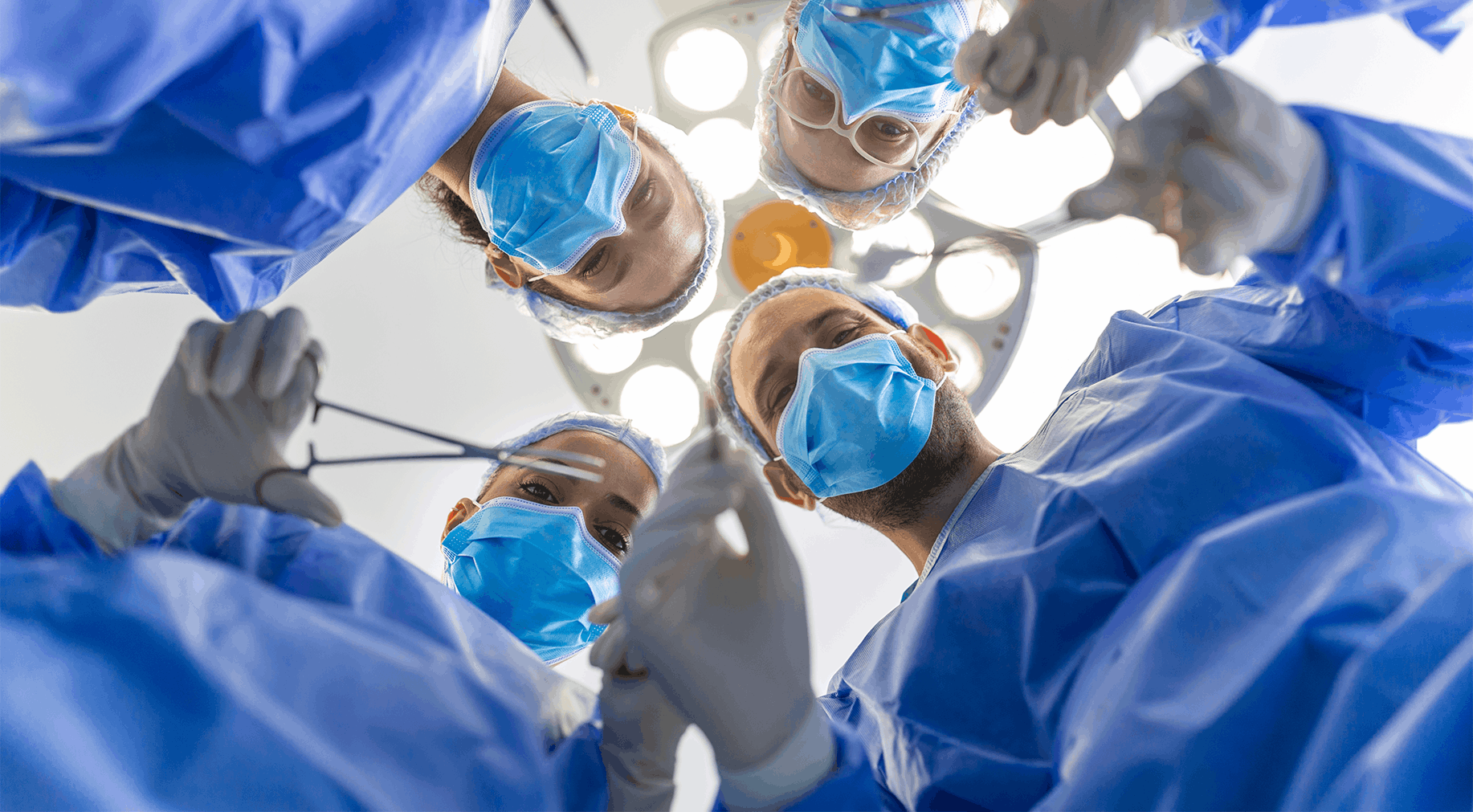
Vascular trauma and acute limb ischemia represent critical medical conditions that require immediate attention to prevent severe complications, including permanent tissue damage or limb loss. These conditions occur when blood flow to a limb is suddenly reduced or completely blocked, often due to injury, clot formation, or underlying vascular disease. In a tertiary care hospital setting in Dubai, the management of vascular emergencies is structured around rapid diagnosis, timely intervention, and comprehensive post-treatment care to ensure optimal patient outcomes.
Acute limb ischemia typically presents with sudden onset of symptoms, including severe pain, coldness, pallor, numbness, and loss of function in the affected limb. These symptoms indicate a significant reduction in blood supply, which, if not restored promptly, can lead to irreversible tissue damage. Vascular trauma, on the other hand, may result from external injuries that disrupt blood vessels, leading to compromised circulation and requiring urgent medical evaluation.
The diagnostic process in emergency settings involves rapid clinical assessment supported by imaging techniques such as Doppler ultrasound and angiography. These tools allow specialists to identify the location and cause of the blockage or injury, enabling immediate treatment planning. Time is a critical factor in these cases, as early intervention significantly improves the chances of limb preservation.
Treatment approaches in Dubai’s tertiary hospitals are designed to restore blood flow as quickly and effectively as possible. Minimally invasive procedures such as thrombectomy are commonly used to remove clots and re-establish circulation. In certain cases, catheter-based techniques may be employed to deliver targeted therapy directly to the affected area, minimizing damage to surrounding tissues.
For patients with severe vascular injury or complex blockages, surgical intervention may be required to repair damaged vessels or bypass the affected area. The availability of both endovascular and surgical options ensures that treatment is tailored to the urgency and complexity of each case.
Post-treatment care plays a vital role in recovery and long-term outcomes. Patients are closely monitored to ensure that blood flow is maintained and that there are no signs of recurrence or complications. Rehabilitation support may be provided to restore limb function and mobility, depending on the severity of the condition.
In Dubai’s advanced healthcare ecosystem, vascular trauma and acute limb ischemia are managed through a coordinated, multidisciplinary approach that prioritizes speed, precision, and patient safety. Access to experienced vascular specialists and state-of-the-art facilities ensures that patients receive immediate and effective care during critical situations.
From a broader perspective, awareness of early symptoms and prompt medical attention are key to improving outcomes in vascular emergencies. With a structured care pathway that emphasizes rapid diagnosis, advanced intervention, and continuous monitoring, patients benefit from improved survival rates and preserved limb function in a tertiary care setting.
Quick Contact
If you have any questions simply use the following contact details.

Working Hours
-
Out-patient Department
Monday to Saturday 08:00 AM - 09:00 PM
Sunday 10:00 AM - 06:00 PM
-
Emergency Department & Pharmacy
Sunday to Saturday 24x7

 04 406 3000
  04 406 3000
Quick Links
Legal
Working Hours
-
Out-patient Department
Monday to Saturday | 8 AM to 9 PM
Sunday | 10 AM to 6 PM
Emergency Department & Pharmacy | 24x7
Connect with us!




©2026 IMH. All Rights Reserved. Ministry of Health License No : YP7TYZVC-090326